How to Design a Logo That Builds Trust in Your Contracting Business
Your logo does more than decorate a truck or business card. It’s often the first impression customers have of your company.
A strong logo helps you get noticed, communicate professionalism, and build trust instantly. A weak one can make a great business look unprofessional before you even get a chance to speak with a customer.
The good news: you don’t need a design degree to build a strong contractor logo. You just need to follow a few clear principles.
The Real Problem
Many contractor logos are created quickly without much thought.
Search “contractor logos” online and you’ll see the same patterns everywhere:
- Over complicated designs
- Hard-to-read fonts
- Too many colors
- Logos that only work at one size
These designs might look fine on a computer screen, but they break down when used in real-world situations like:
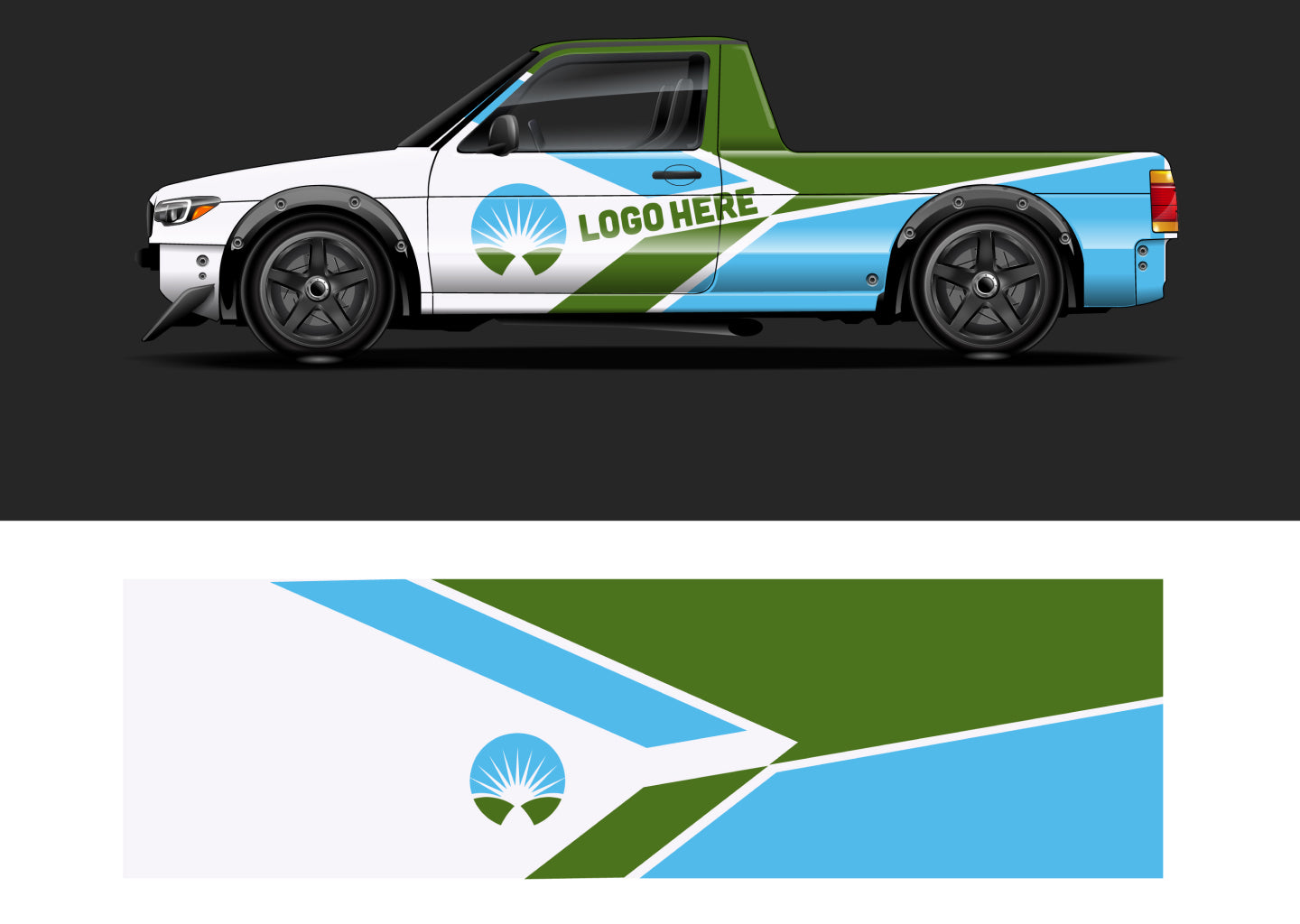
- Truck wraps
- Yard signs
- Social media icons
- Apparel and uniforms
If customers can’t quickly read or recognize your logo, it’s not doing its job.
Your logo isn’t just art. It’s a visibility and trust tool.
What to Do Instead: Design with Strategy
Strong logos follow a few simple rules.
Start with the fundamentals.
1. Choose Colors That Communicate the Right Message
Color influences how people perceive your business before they read a single word.
Different colors trigger different emotional responses.
For example:
- Blue: trust, reliability, professionalism
- Green: growth, landscaping, nature
- Black: premium, high-end positioning
- Red: urgency and energy
It’s not about picking your favorite color, it’s about picking colors that communicate the right message for your business.
2. Use Fonts That Are Easy to Read
Typography often matters more than the icon itself.
Your business name must be readable from:
- A truck driving by
- A yard sign across the street
- A social media icon
Common font styles include:
Sans Serif
Clean, modern, and efficient.
Slab Serif
Bold and strong, often used for dependable brands.
Serif Fonts
Traditional and higher-end.
Script Fonts
Decorative and elegant but often difficult to read.
For most contractor brands, clean and bold beats decorative.
3. Use Symbols That Reinforce Your Service
Symbols help customers understand your service quickly. Common contractor icons include:
- Trees for landscaping
- Houses for roofing
- Fences for fencing companies
- Water drops or sprinklers for irrigation
Symbols reinforce messaging, but be careful not to copy competitors too closely. Your goal is to stand out while still communicating what you do.
The Three Design Rules Every Contractor Logo Must Follow
No matter what style you choose, every logo should pass three simple tests.
Rule 1: Keep It Simple
Strong logos are:
- Easy to recognize
- Easy to remember
- Easy to reproduce
Too many colors or design elements create confusion and printing problems. Simple logos scale better across different formats.
Rule 2: Keep It Legible
If someone driving by can’t read your logo, it fails. Your logo should be readable on:
- Trucks and trailers
- Yard signs
- Work apparel
- Invoices and documents
Avoid thin fonts, crowded layouts, and overly decorative scripts.
Rule 3: Make It Scalable
Your logo needs to work everywhere. From tiny icons to huge graphics.
That includes:
- Vehicle wraps
- Social media profile images
- Websites
- Embroidery on shirts
- Yard signs
If your logo only works in one size, it will limit your brand visibility.
Why Logo File Types Matter
Many contractors only have a JPEG or PNG version of their logo. Printers and sign shops often need vector files, which are infinitely scalable and maintain quality at any size.
Common vector formats include:
- AI files
- SVG files
- EPS files
Raster files like JPEGs become blurry when enlarged, which causes problems for printing and signage. Having the right file types saves time and prevents expensive redesigns later.
Build a Simple Logo Asset Kit
Once your logo is finalized, keep an organized asset kit.
This should include:
- Full-color logo
- Black version
- White version
- Horizontal layout
- Stacked layout
- Transparent PNG files
- Brand color codes
- Font names
Storing these assets in a shared Google Drive or Dropbox makes it easier to work with designers, sign shops, and marketing teams later.
Using AI to Generate Logo Ideas
AI tools can be helpful for brainstorming logo concepts. They allow you to quickly visualize ideas before committing to a final design.
A simple AI prompt might include:
- Business type
- Brand personality
- Color palette
- Font style
- Symbol idea
- Design style
Example prompt:
“Create a bold modern logo for a premium irrigation company using dark green and black. Use a strong sans-serif font and include a simple irrigation or water element. Design should be clean and highly legible for truck wraps and social media.”
AI-generated logos are best used as starting points, not final designs.
They help generate ideas quickly but usually need refinement and vectorization before being used professionally.
Where Your Logo Appears in the Real World
A well-designed logo should work across all your marketing.
For example:
- Apparel and uniforms
- Truck wraps
- Yard signs
- Social media profiles
- Invoices and proposals
- Website branding
When your logo is clear and consistent everywhere, your brand becomes recognizable.
And recognizable brands earn more trust.
The Visibility Test
Before finalizing your logo, ask a few simple questions:
- Can it be read from 50 feet away?
- Does it work in black and white?
- Does it look different from competitors?
- Will it still look good in 10 years?
If the answer is yes to all four, you likely have a strong logo. If your logo is outdated or hard to read, now is the time to fix it.
A simple logo can dramatically improve how your business looks on trucks, signs, and social media.
Your logo is often the first thing customers see, make sure it reflects the quality of the work you deliver.
Watch the full discussion here.
TL;DR
A strong contractor logo should be simple, readable, and scalable. Choose colors that communicate trust and professionalism, use clear fonts that are easy to read from a distance, and include symbols that reinforce your service. Make sure you store your logo in proper vector formats so it works on trucks, apparel, and signage. AI tools can help generate ideas quickly, but the final logo should be refined and built for long-term use.